Ubisoft Just Gave Away Their AI Texturing Model
Ubisoft just open-sourced CHORD, an AI model that turns any image into PBR maps, plus key updates from Gaea, Substance 3D Designer, and Moonlake.
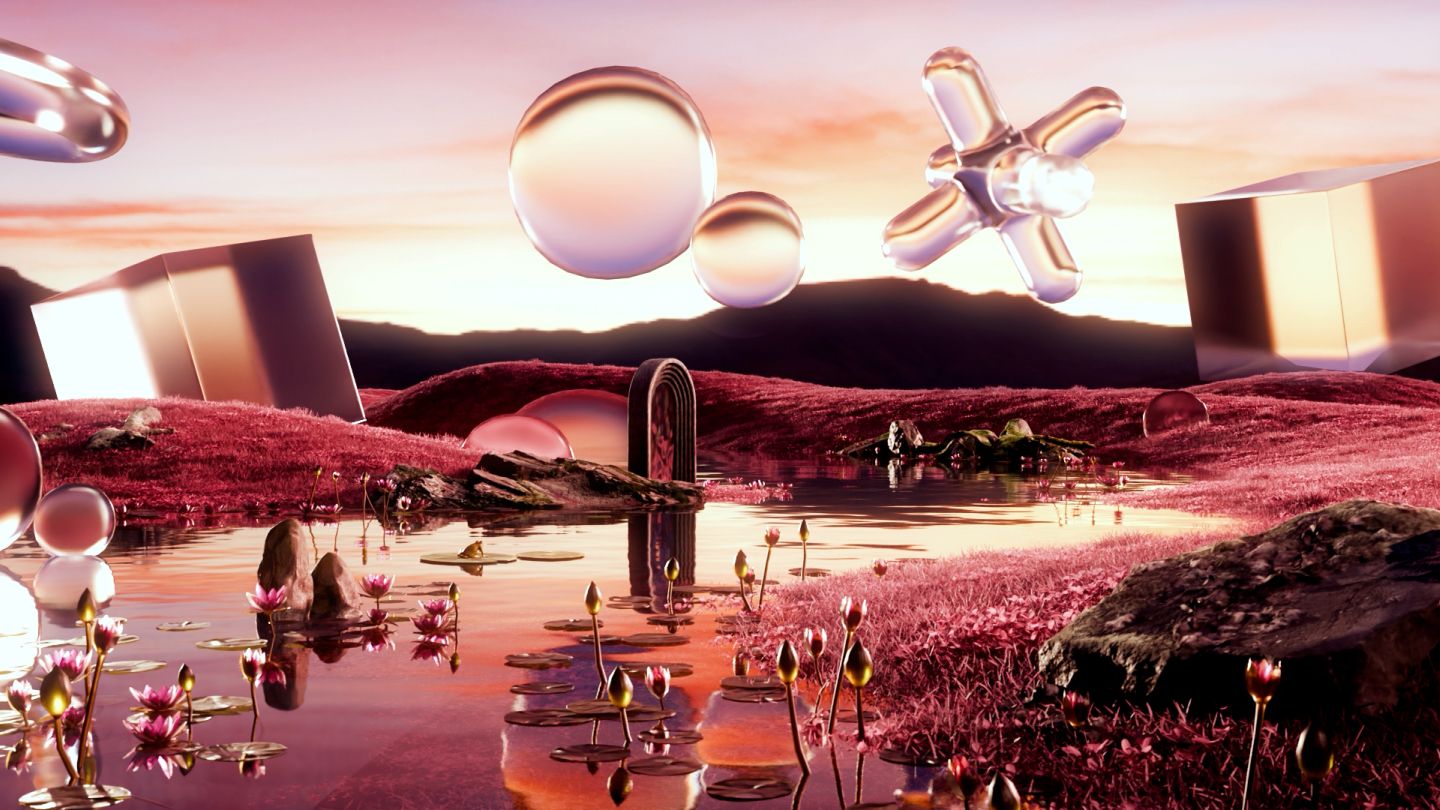
The end of the year is close, but the announcements are not slowing down. No new video this week, so here is the roundup of tool and tech changes shaping worldbuilding and creative work.
New tech updates
Ubisoft open-sources CHORD
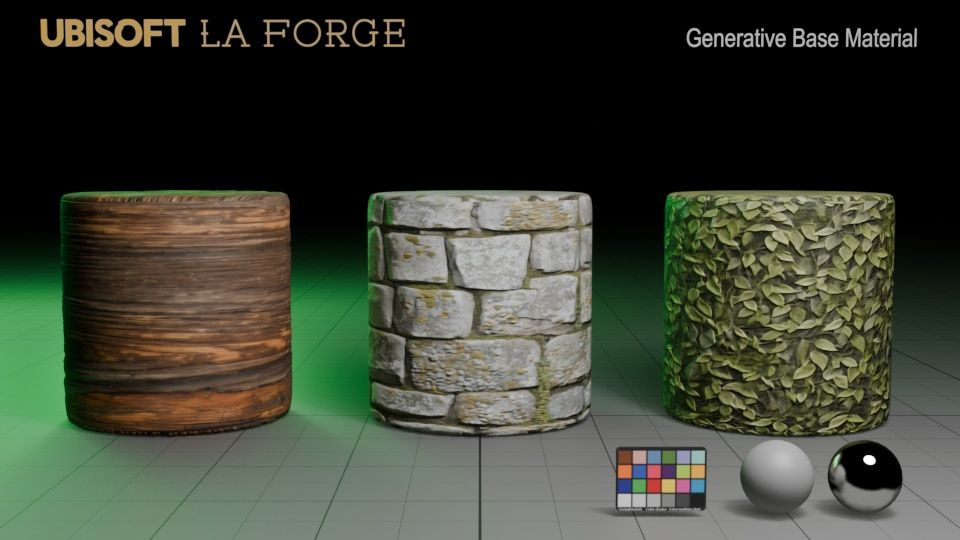
Ubisoft's R&D team released CHORD, short for Chain of Rendering Decomposition, an open-source model that extracts PBR maps from a single image. Feed it a photo or an AI-generated image and it outputs albedo, normal, roughness, and height maps. Because it is trained on actual rendering decomposition rather than guessing at surface properties, it avoids the plastic, wet-looking sheen that plagues most image-to-material tools. The weights and code are public and already work inside ComfyUI, and they will likely land in Blender add-ons soon. Ubisoft's own team calls the quality promising but not yet AAA-ready.
Gaea 3.0 enters active development
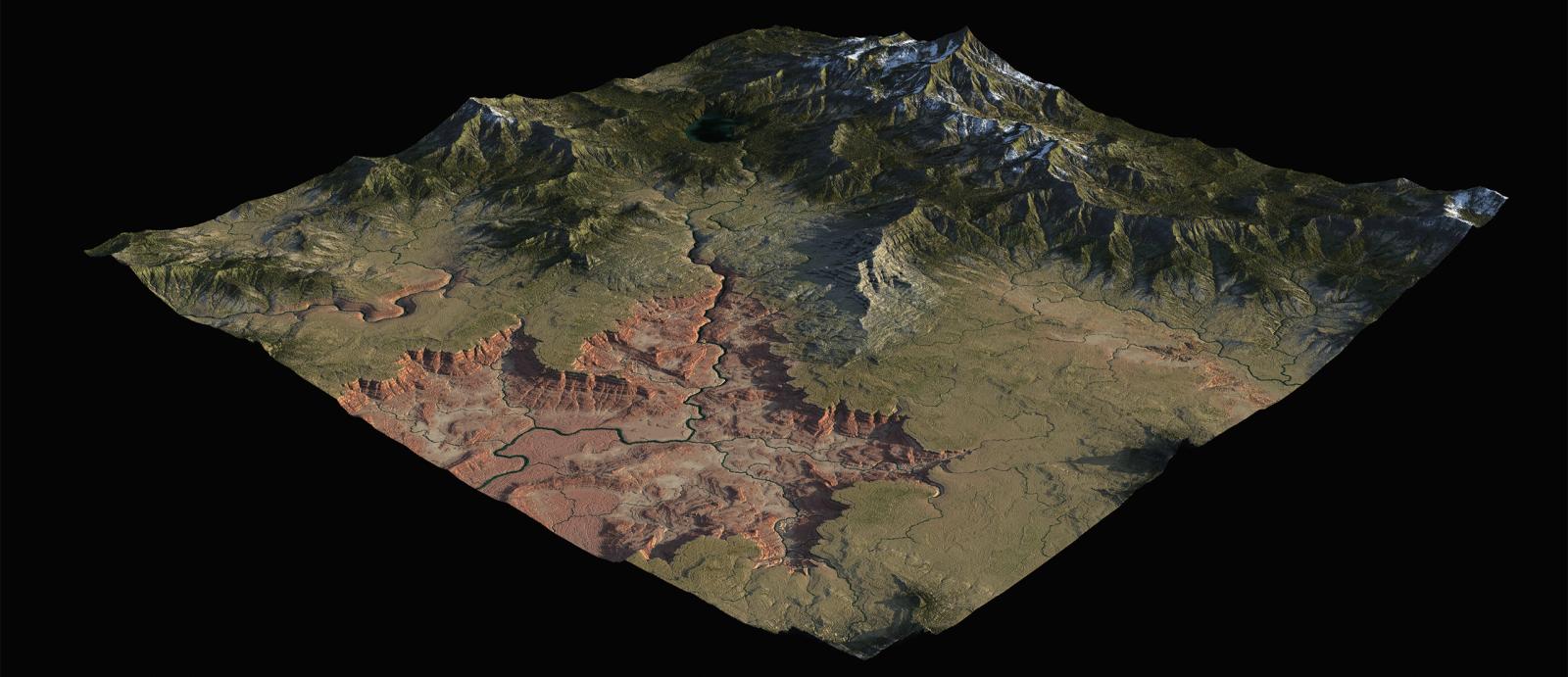
QuadSpinner announced that Gaea 3.0 is in active development, built on a new TOR Engine 3.0 that supports continuous world-space workflows instead of locking you to a single terrain tile. It adds vector drawing tools for placing rivers, roads, and lakes directly, plus 2.7D displacement for overhangs and caves. It is targeting a 2026 release with early access to come.

Substance 3D Designer 15.1 releases
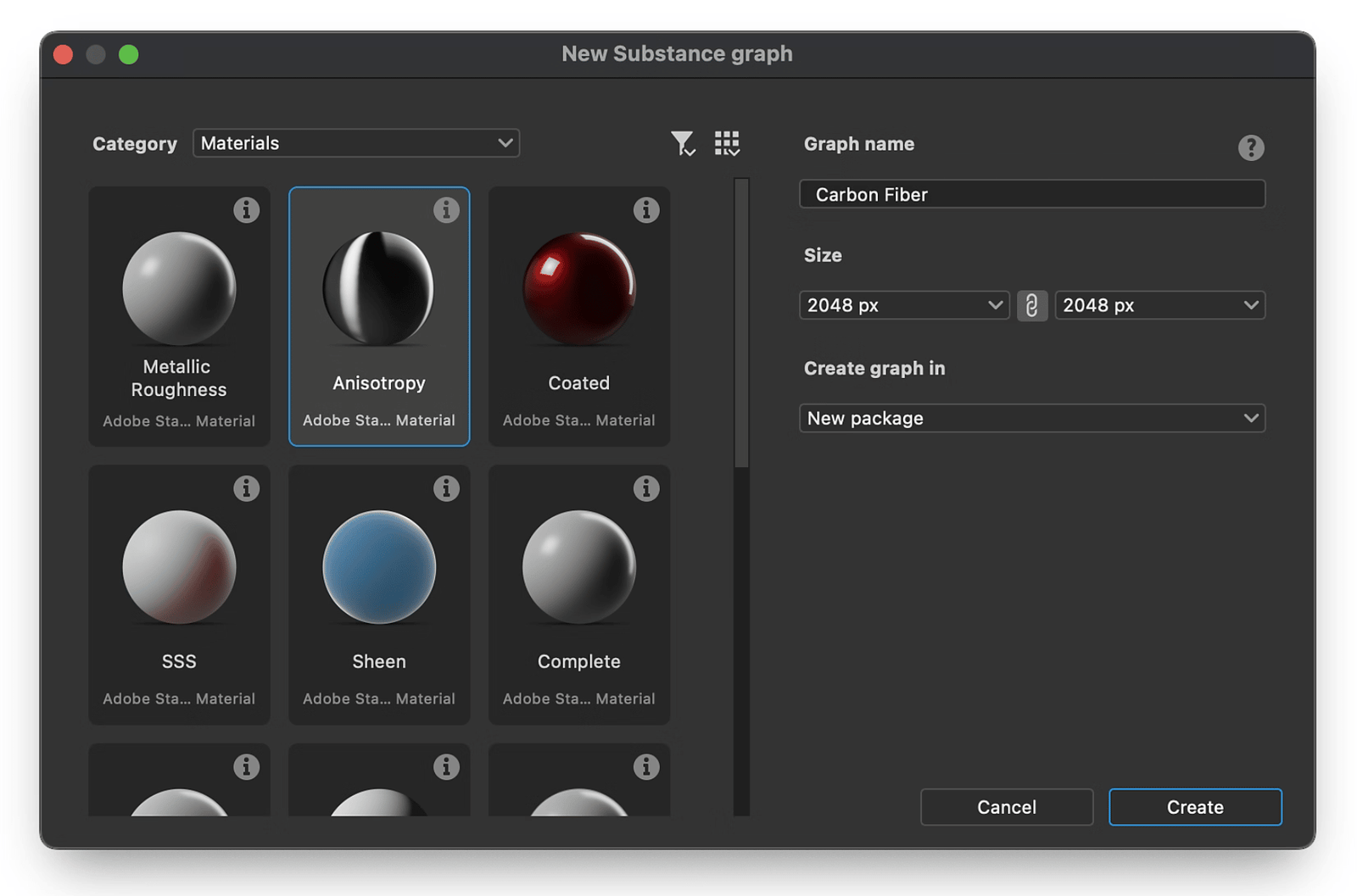
Adobe redesigned Designer's graph creation window with thumbnail previews and categorized templates, so starting a project is less of a guessing game. It also added annotated sample materials for fabrics, wood, metal, plastic, and ceramic to help with learning, and gave the noise system practical updates, including proper non-tiling support and per-node bit depth instead of a locked 16-bit.
Moonlake comes out of stealth
Moonlake introduced Reverie, a game-native diffusion model. Unlike text-to-3D tools that output a static mesh for you to import, Moonlake claims to generate interactive systems with physics, collision, and object permanence built in. The pitch is a programmable world model that holds a consistent world state over time, so you could generate playable spaces rather than assets you assemble. The beta opens in Q1 2026, so there is nothing to test yet.
Tools
Tools covered in this issue
Don't miss the next issue
New gamedev tools, tech, and deals, straight to your inbox.
Join 3,200+ indie devs · Unsubscribe anytime
Archive
All issues →More newsletters
Create Free 3D AI Game Assets with Autodesk's Wonder 3D
Plus Tripo 3D P1.0, Cinema 4D goes iPad with HY-3D AI built in, and GDC kicks off this week.
I Tested Every Top 3D AI Mesh Generator in 2026 (in one simple video)
If you've been ignoring 3D AI tools like Meshy, Tripo, and Hunyuan, this is your catch-up: what works, what's hype, and where the tech really is in 2026.
OpenUSD 1.0, Microsoft TRELLIS.2, and Echo World Generator
How OpenUSD 1.0, Microsoft's TRELLIS.2, and SpAItial's Echo world generator are reshaping 3D art, game environments, and interoperable pipelines, plus new tools from Plasticity and Gnomon.