Blender 5.0 RC, Sam 3D, Houdini AI Assistant, and World Labs Continues to Impress
Build worlds faster with Meta's SAM 3D, Houdini's new AI assistant, World Labs' latest tools, and a few must-know Blender 5.0 upgrades for game artists.
This week Blender 5.0 finally graduated from release candidate and is now available for everyone. I uploaded a short video covering the top features game artists should know about. But first, here is the weekly roundup of changes shaping worldbuilding and creative work.
New tech updates
Meta SAM 3D
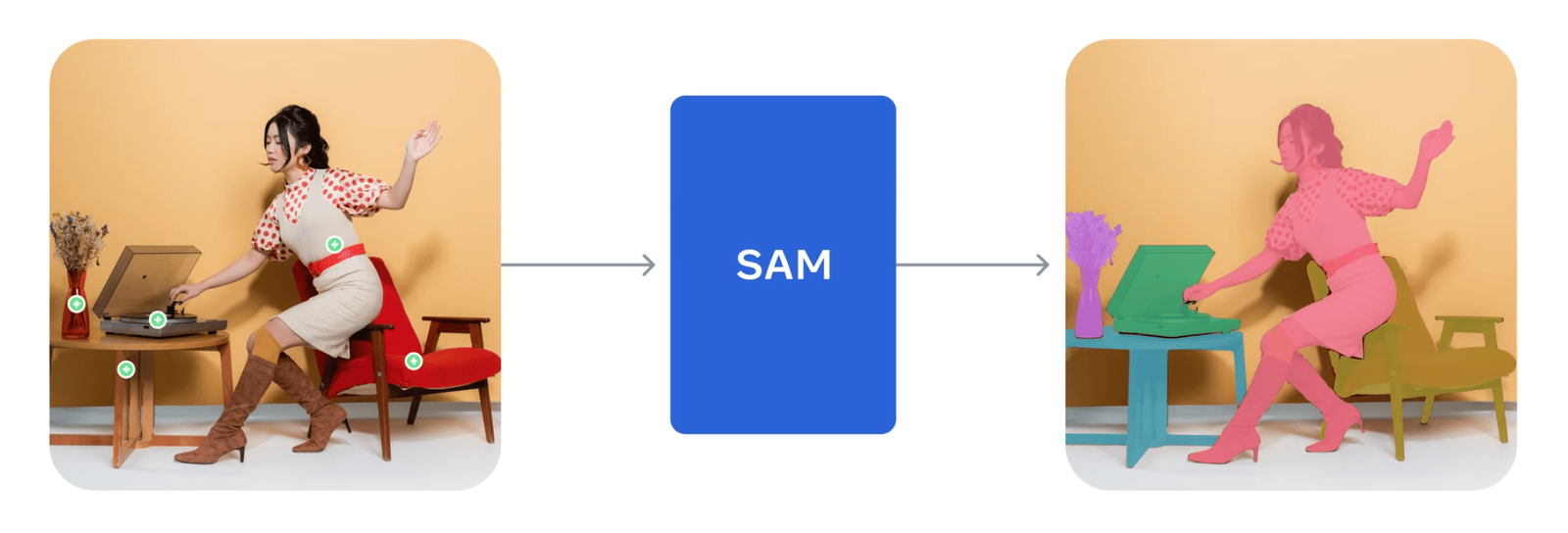
Meta's AI lab is back with SAM 3D, open source, which pulls objects out of a static image into meshes, including a new format that separates the skeleton from the surface to keep the output clean. My early tests were a mixed bag, but you can try it for free in the SAM 3D playground. I will keep an eye on it as it progresses.
Houdini AI Assistant
Senior Houdini artist Radu Cius released a well-received Houdini AI Assistant on Gumroad. It reads your scene, nodes, and parameters to give answers that are actually relevant to your project, powered by the Google Gemini 3 API, and helps you explain, debug, and generate code as a creative partner.
Substance 3D Painter adds Ribbon Paths
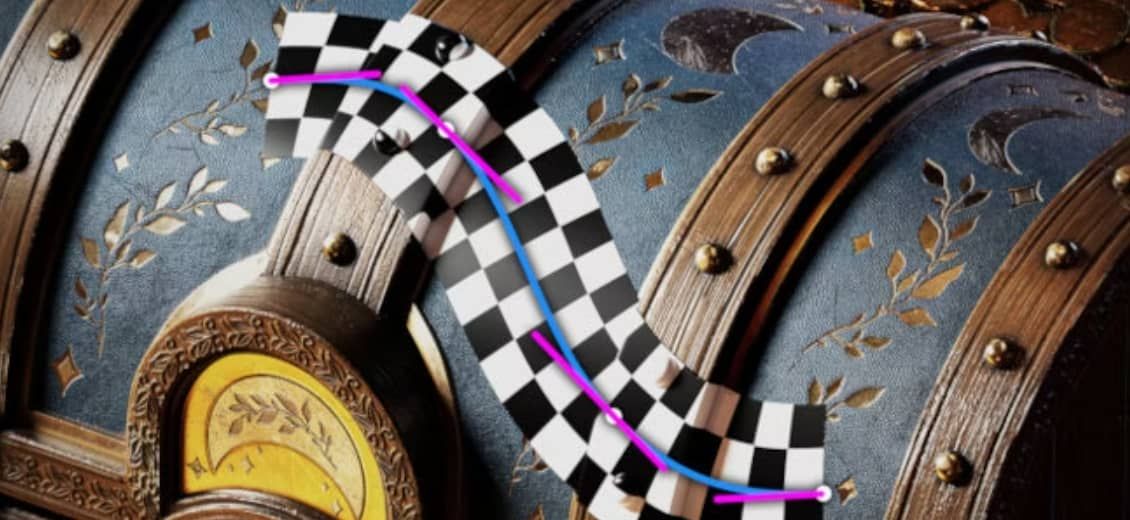
Substance 3D Painter's new Ribbon Path tool lets you add ribbons, text, or seamless repeating patterns along any curve on a model, with flexible tiling, adjustable curve sharpness, and advanced blending, which speeds up texturing and surface detailing.
New video: Blender 5.0 for game artists
Blender 5.0 officially launched early this week, and as you would expect from a 5.0 it is a big release with updates across rendering, compositing, grease pencil, and color management. There are plenty of overviews out there already, so I focused on five features that matter most for game artists who mainly use Blender to build assets.
- Array Modifier: build circular arrays, arrays along curves, and transform-based arrays directly, no add-ons required.
- Scatter on Surface: native scattering for debris and randomized placement, with density control and paint masks.
- Instance on Elements: controlled placement on vertices, edges, or faces, handy for greebles.
- Curve to Tube: turn any bezier into a tube with one modifier.
- Geometry Nodes: these new modifiers run on Geometry Nodes under the hood, and the system got cleaner UI, bundles, an expanded essentials library, and SDF volumes.
With Adobe teasing Project Graph and Figma acquiring Weavy, Blender making nodes more accessible suggests 2025 is the year procedural systems go mainstream for small teams and solo artists.
Tools
Tools covered in this issue
Blender
Best for any indie doing 3D on a budget; usually the first tool in the pipeline.
Meta SAM 3D
Best for single-image-to-3D reconstruction, for teams comfortable self-hosting.
Houdini
Best for procedural environments, VFX, and tech-art pipelines.
Substance 3D Painter
Best for teams who want AAA-grade texturing with one-click export to any engine.
Don't miss the next issue
New gamedev tools, tech, and deals, straight to your inbox.
Join 3,200+ indie devs · Unsubscribe anytime
Archive
All issues →More newsletters
Create Free 3D AI Game Assets with Autodesk's Wonder 3D
Plus Tripo 3D P1.0, Cinema 4D goes iPad with HY-3D AI built in, and GDC kicks off this week.
I Tested Every Top 3D AI Mesh Generator in 2026 (in one simple video)
If you've been ignoring 3D AI tools like Meshy, Tripo, and Hunyuan, this is your catch-up: what works, what's hype, and where the tech really is in 2026.
OpenUSD 1.0, Microsoft TRELLIS.2, and Echo World Generator
How OpenUSD 1.0, Microsoft's TRELLIS.2, and SpAItial's Echo world generator are reshaping 3D art, game environments, and interoperable pipelines, plus new tools from Plasticity and Gnomon.